
Ingredients:
1 cup of Kefir
1 cup of water
1 Banana
2 cups of mixed frozen berries
2 cups of baby power greens (kale, spinach and chard)
1 inch of peeled, fresh ginger
1 scoop Isolate Whey Protein (Muscle Feast, unflavored, grass fed, hormone free)
1 cup of oatmeal
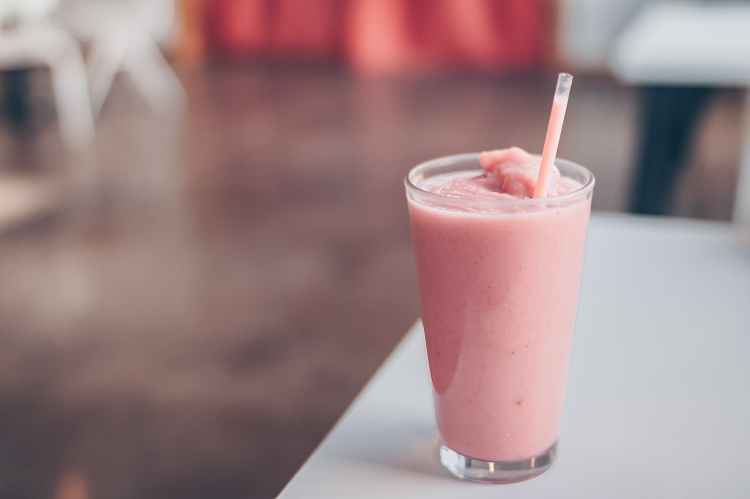
Estimated macronutrients per serving:
Calories: 599 cal. Protein: 41.3gm. Carbohydrates: 100.5gm. Fat: 6.1gm.
Nutritional value by ingredient:
Kefir: Inexpensive, probiotic beverage known to support a healthy gut, improving digestion and tolerance to lactose. It aids in blood glucose and cholesterol control, and its known for its anti-hypertensive effect. Kefir has shown anti-inflammatory, anti-allergenic and anti-carcinogenic effects, as well as antioxidant activity (3). Nutrition profile: 90 cal., protein 8gm, fat 2gm, carbohydrates 8gm.
Banana: High in antioxidants, protective against free radicals responsible for aging and disease. High content of carotenoids known as pro-vitamins and their effect to decrease the risk for cancer and eye diseases. Bananas contain high amounts of dopamine (important for brain function, mood, concentration and emotional stability), norepinephrine (important for attention, reaction time, learning and emotional control), and serotonin (contributes towards the feelings of happiness and well-being) (5). For all those reasons, bananas are great in the morning. Nutrition profile: 105 cal., protein 1.3 gm, fat .4 gm, carbohydrates 27 gm.
Mixed berries: High in fiber and associated with an improvement of heart function, cholesterol control, increase in antioxidant activity. Also known to promote anti-inflammatory activity. All the previous mechanisms are vital to prevent atherosclerosis and heart disease (1). Nutrition profile: 140 cal., protein 2 gm., carbohydrates 34 gm.
Baby power greens (baby spinach and baby kale, red and green chard): Baby leaf vegetables are usually less bruised and damaged than mature ones, usually with less oxidation, which means they could be richer in nutrients. Green leafy vegetables are high in carotenoids, folate and other vitamins, known for the importance on the prevention of cardiovascular disease, cancer, neural tube defects and cataracts. They are rich in Vitamin A, C, E. In addition, leafy greens are high in minerals, vital for their role in carbohydrate, fat, and protein metabolism, bone and cellular structure, and overall homeostasis (4). The main minerals found in leafy greens are:
- Iron: Important mineral which carries oxygen in the bloodstream, so cells can produce energy. It plays an important role on carbon dioxide removal, and immune system.
- Potassium: Regulates intra and extracellular fluid, muscle contraction and neuronal activity. It is known to aid in hypertension and water retention, and has protective mechanisms against stroke, osteoporosis and kidney function.
- Calcium: Main mineral to promote bone density, with an obvious impact against osteopenia (bone density reduction), and the subsequent osteoporosis.
Ginger: well known for its positive effects against arthritis, asthma, diabetes, menstrual irregularities, improved digestion. Ginger diminishes inflammation and pain and could influence cardiovascular health (7).
Isolate whey protein: whey represents 20% of the protein present in milk. It contains all 20 amino acids and all 9 essential ones; thus, it is a complete protein. Whey contains 3 to 4 times more cysteine than other proteins. Cysteine is key in the production of antioxidants, anticarcinogen, immune activity, and whole-body protein synthesis. Antimicrobial activity may be generated during whey digestion. In specific, compounds known to inhibit activity against HIV, herpes, papillomavirus, rotavirus, hepatitis and even gingivitis. Whey protein has also demonstrated anti-carcinogenic effects, in comparison to meat, soy and casein proteins.
Whey protein contains the highest levels known of branched chained amino acids (BCAAs), important for athletes, since they repair and rebuild muscle tissue and are used during resistance training. BCAAs also serve as an energy source during endurance training, allowing for longer and more intensive training sessions. Whey protein supplementation is also a great aid for weight management, as it increases insulin sensitivity and blood glucose control. Whey protein activates osteoblasts (bone cells that promote bone formation) and reduces bone breakdown activity (6).
Oatmeal: is known to reduce blood glucose content, and it is high in soluble fiber, with positive effects against cardiovascular disease and hypertension (2). Rich in protein and a clean source of complex carbohydrates; excellent for those who want to gain muscle mass and need extra calories!
This smoothie is ideal as a meal replacement, following a training session, or as a mid-morning or late afternoon snack. Enjoy!
Cheers,
Fernando
References:
1. Basu, A., Rhone, M., & Lyons, T. J. (2010). Berries: emerging impact on cardiovascular health. Nutrition reviews, 68(3), 168-177.
2. Lammert, A., Kratzsch, J., Selhorst, J., Humpert, P. M., Bierhaus, A., Birck, R., … & Hammes, H. P. (2008). Clinical benefit of a short-term dietary oatmeal intervention in patients with type 2 diabetes and severe insulin resistance: a pilot study. Experimental and clinical endocrinology & diabetes, 116(02), 132-134.
3. Rosa, D. D., Dias, M. M., Grześkowiak, Ł. M., Reis, S. A., Conceição, L. L., & Maria do Carmo, G. P. (2017). Milk kefir: nutritional, microbiological and health benefits. Nutrition research reviews, 30(1), 82-96.
4. Saini, R. K., Ko, E. Y., & Keum, Y. S. (2017). Minimally processed ready-to-eat baby-leaf vegetables: Production, processing, storage, microbial safety, and nutritional potential. Food reviews international, 33(6), 644-663.
5. Singh, B., Singh, J. P., Kaur, A., & Singh, N. (2016). Bioactive compounds in banana and their associated health benefits–A review. Food Chemistry, 206, 1-11.
6. Solak, B. B., & Akin, N. (2012). Health benefits of whey protein: a review. Journal of Food Science and Engineering, 2(3), 129.
7. Yadav, S., Sharma, P. K., & Alam, M. A. (2016). Ginger medicinal uses and benefits. Eur J Pharm Med Res, 3(7), 127-135.
 Applied Exercise Science